
Pediatric Dentistry in Langley
Gentle Dental Care for Children of All Ages in a Comfortable, Family-Friendly Environment
Caring for Your Child's Smile
Pediatric dentistry in Langley focuses on helping children build healthy oral habits from infancy through adolescence. Our friendly team provides children's dental care, preventive guidance, and routine checkups in a welcoming environment where children can feel comfortable and parents can feel confident.
Your Child's First Dental Visit
The common question all new parents have is, "At what age should my little one be seen by the dentist?" It is recommended by the Dental Association to assess your child within six months of the eruption of their first tooth, or by age one. However, at our office, we recommend parents bring their children in by age two for their first dental visit for kids. Even if your child cannot sit still in the chair, we like to familiarize children early with the office environment and help them become as comfortable as possible.
Children who see a dentist from an early age are less likely to fear the dentist later in life. Preventive screenings may be all that is required at such an early age. During these visits, our team can also counsel parents on feeding methods, thumb sucking, and oral hygiene habits that help build healthy routines. To prepare for your baby's first dental appointment, we suggest allowing your child to attend a hygiene visit with a parent or sibling to become familiar with the office and our team. It is also helpful to encourage regular tooth care at home.
Caring for a Teething Child
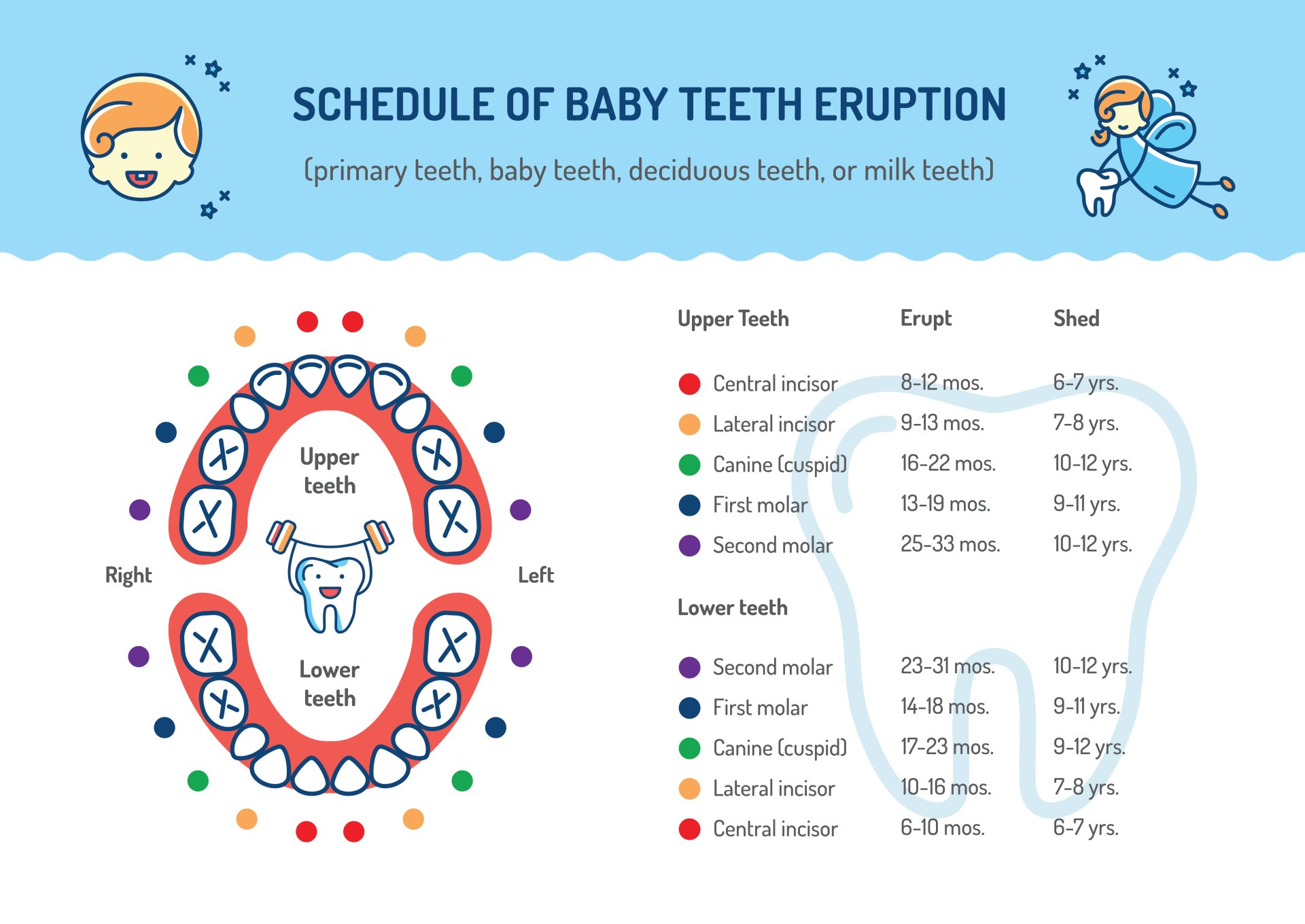
All twenty primary (or baby) teeth should be in by the time your child is 2 to 3 years old. Having a teething child can be stressful, especially if your child is in pain from their teeth coming in. It does not have to be a painful experience though. According to the Dental Association, some methods to make the teething process easier include rubbing your child's gums with a clean finger, damp cloth, or the back of a small, cool spoon. If these methods do not work, our dentist or your child's family doctor can recommend a mild over-the-counter medication to relieve the pain. This early stage of toddler dental care in Langley is important for long-term oral health.
Small children and babies are likely to chew anything they can get their hands on such as walls, seatbelts, and table edges. Try to ensure your child stays away from materials that are hard enough to break their teeth or make their gums bleed. It is also important to avoid certain methods while handling a teething child. Do not use a liquid painkiller that can be rubbed on your toddler's gums because your child could ingest some of it. Avoid teething biscuits since many contain added sugar or hidden sugars. Do not dismiss a fever. Fevers are not part of the teething process, so if your child has a fever, it is likely unrelated to their new teeth and should be assessed by their doctor.
Children's Dental Care
As parents, we are so concerned with the overall health of our children that we sometimes overlook the importance of their oral health. Healthy teeth and gums play an important role in childhood development, and children are not immune to cavities or other dental concerns simply because they are young.
Children can experience oral health problems if they are not taught proper hygiene or if preventive care is delayed. It is never too early to teach the importance of caring for their smile. When healthy habits are established early, children are more likely to enjoy healthy teeth and gums throughout life, require fewer dental procedures, and benefit from better overall health. This type of preventive dental care for children supports lifelong oral wellness. Contact Maple Dental Clinic to schedule a visit and support your child’s oral health.
List of Services
-
For Your Baby
Baby bottles and sippy cups are the worst enemies in pediatric dentistry. They simply increase both the frequency and duration of contact time between teeth and sugar-containing liquids. Examples of these liquids include breast milk, formula, juice, and any other sweetened drinks. For this reason, it is extremely important to clean your baby's gums and teeth with a toothbrush or a wet gauze after feeding. Proper baby teeth care is essential during this stage of development.
-
Instill Good HabitsList Item 1
Make sure to get your child in the habit of brushing their teeth after breakfast and before they go to bed. They may not want to now, but over time they will develop a habit of doing so. Developing the habit early will make it easier for them to keep it later in life.
-
Brush Delicately
An issue that many children have is that they brush too hard. Gums are a living tissue and are not invincible. Many adults deal with receding gum issues later in life because of aggressive brushing. This is especially important for children because their gums are still developing. Teach them to brush lightly and to use a soft-bristle toothbrush.
-
Cut Down on Sugar
Kids are going to want sweets. Who doesn’t? The difference between adults and children is that we (usually) have self-control. This means that we know when to say no to candy, but kids will eat until they are sick. Limit candy, soda, and other sugery drinks to small amounts so that your child does not develop cavities or other health issues. These habits can support cavity prevention for kids and healthier smiles.
-
Tips to Help with Your Child’s Dental Fear
- Speak with your child about going for a visit to the dentist.
- Watch what you say. Do not use negative words like “hurt” or “pain” when referring to the dentist or your teeth.
- Bring your child with you to your dental appointments and have them sit with you in the dental chair.
- Give your child a soft-bristle toothbrush to practice brushing.
- Maintain your child’s dental visits regularly. The Academy of Pediatric Dentistry recommends that children visit the dentist by their first birthday, and then every six months after that for regular cleanings and checkups. Regular pediatric dental checkups and regular dental visits for children help support healthy smiles and positive dental experiences.